


Cognitive Behavioral Therapy for Suicide Prevention (SP) (5-6 Mar 2024)
Total Credits: 14.0
- Average Rating:
- Not yet rated
- Categories:
- Suicide Prevention
- Faculty:
- April Thompson, LCSW | Marjorie Weinstock
- Course Levels:
- Intermediate
- Media Type:
- Classroom
- License:
- Access for 5 month(s) after purchase.
Tags: EBP Suicide Intervention
Description
Course Description:
This intensive two-day module provides training in the assessment and treatment of suicidal ideation and behavior. Participants will receive in-depth training in cognitive-behavioral therapy for suicide prevention and will have the opportunity to practice assessment and intervention strategies. Video demonstrations and participant role-plays will be used in class to practice key assessment and treatment techniques. The module lays the foundation for working with suicidal patients by providing a detailed review of the epidemiology of suicide both in the civilian population and within the military/Veteran community. Participants will be introduced to the Self-Directed Violence Classification System (SDVCS), a nomenclature supported by the DoD/VA for self-directed violence and suicidal behavior. In addition, a review of several theories of suicide will be covered, as well as risk and protective factors for suicidal behavior. The module is designed for behavioral health providers working with Service members and Veterans who are seeking in-depth training in empirically supported treatment options they can immediately incorporate into their clinical practice. The training will provide hands-on practice activities and is geared toward an actively involved audience through discussion and in workshop activities. Participants must attend both days, as the course material is cumulative.
(Bryan et al., 2020; Bush et al., 2014; Petrosky et al., 2018; Rojas et al., 2020; Wenzel, A. 2017)
Instructional Content: Intermediate
Target Audience: For behavioral health providers who treat military personnel, veterans, and their families.
Attendance Requirements:
- Attendees must attend the entire workshop series to earn credit.
- Role play participation is an attendance requirement for this workshop to receive credit. If you log out deliberately or do not participate during the role plays, that will count against participation.
- Content in this workshop is cumulative, and attendees are required to attend and participate entirely to receive CE credits.
- Please note that all participants must attend from their own account and not as part of a group sharing one computer.
- A functioning microphone is MANDATORY in order to be able to participate in the role-play sessions.
- Cameras will not be used for this workshop.
Learning Objectives:
Following the training, attendees will be able to:
- Differentiate between rates of suicide in civilian and military populations and identify the clinical implications of these differences.
- Categorize suicidal and non-suicidal thoughts and behaviors in relation to clinical assessment.
- Apply at least one psychological theory of suicide to the process of clinical assessment and treatment planning.
- Integrate suicide risk and protective factors unique to military populations into overall risk assessment for suicide.
- Develop a safety plan in collaboration with a patient.
- Use means safety counseling in patient interactions to improve clinical outcomes.
- Create a timeline of a patient's suicidal crisis for use in treatment.
- Evaluate key negative thoughts associated with the intent to die by suicide as related to clinical practice.
- Apply CBT formulation of suicide using the expanded case conceptualization model of the suicidal crisis.
- Use cognitive, behavioral, and affective coping strategies associated with CBT-SP to help patients cope with suicide urges.
- Modify standard behavioral activation practices to be applied within the CBT-SP protocol.
- Use the guided imagery exercise as part of the relapse prevention protocol for CBT-SP.
Credits
Handouts
| CE Memo with Agenda (335.7 KB) | Available after Purchase | ||
| CBT-SP Slide Handouts FY2324 (3.9 MB) | Available after Purchase | ||
| CBT-SP Handouts FY2324 (6.6 MB) | Available after Purchase | ||
Faculty
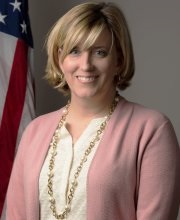
April Thompson, LCSW Related Seminars and Products
Military Behavioral Health Social Worker
Center for Deployment Psychology

Marjorie Weinstock Related Seminars and Products
Senior Military Behavioral Health Psychologist
11223 - Center for Deployment Psychology
Reviews
| Availability | Module Title | Speaker | Credits | Course Type | Duration | Course Details | |||||||||||||||||||||||||||||||||||||||||||
|---|---|---|---|---|---|---|---|---|---|---|---|---|---|---|---|---|---|---|---|---|---|---|---|---|---|---|---|---|---|---|---|---|---|---|---|---|---|---|---|---|---|---|---|---|---|---|---|---|---|
| Mar 05, 2024 @ 09:00 AM (EST) |
Cognitive Behavioral Therapy for Suicide Prevention - Day One
|
N/A | Webinar | 8 Hours 30 Minutes | More info » | ||||||||||||||||||||||||||||||||||||||||||||
| Mar 06, 2024 @ 09:00 AM (EST) |
Cognitive Behavioral Therapy for Suicide Prevention - Day Two
|
N/A | Webinar | 8 Hours 30 Minutes | More info » | ||||||||||||||||||||||||||||||||||||||||||||
| Total Classroom CE Credits Information | |||||||||||||||||||||||||||||||||||||||||||||||||